
Data Centers Don’t Have to Be a Fight. Here’s the Deal That Ends It.
Americans of every political stripe are turning against the AI building boom. The way through isn’t stopping data centers. It’s making them pay their own way and earn their place.
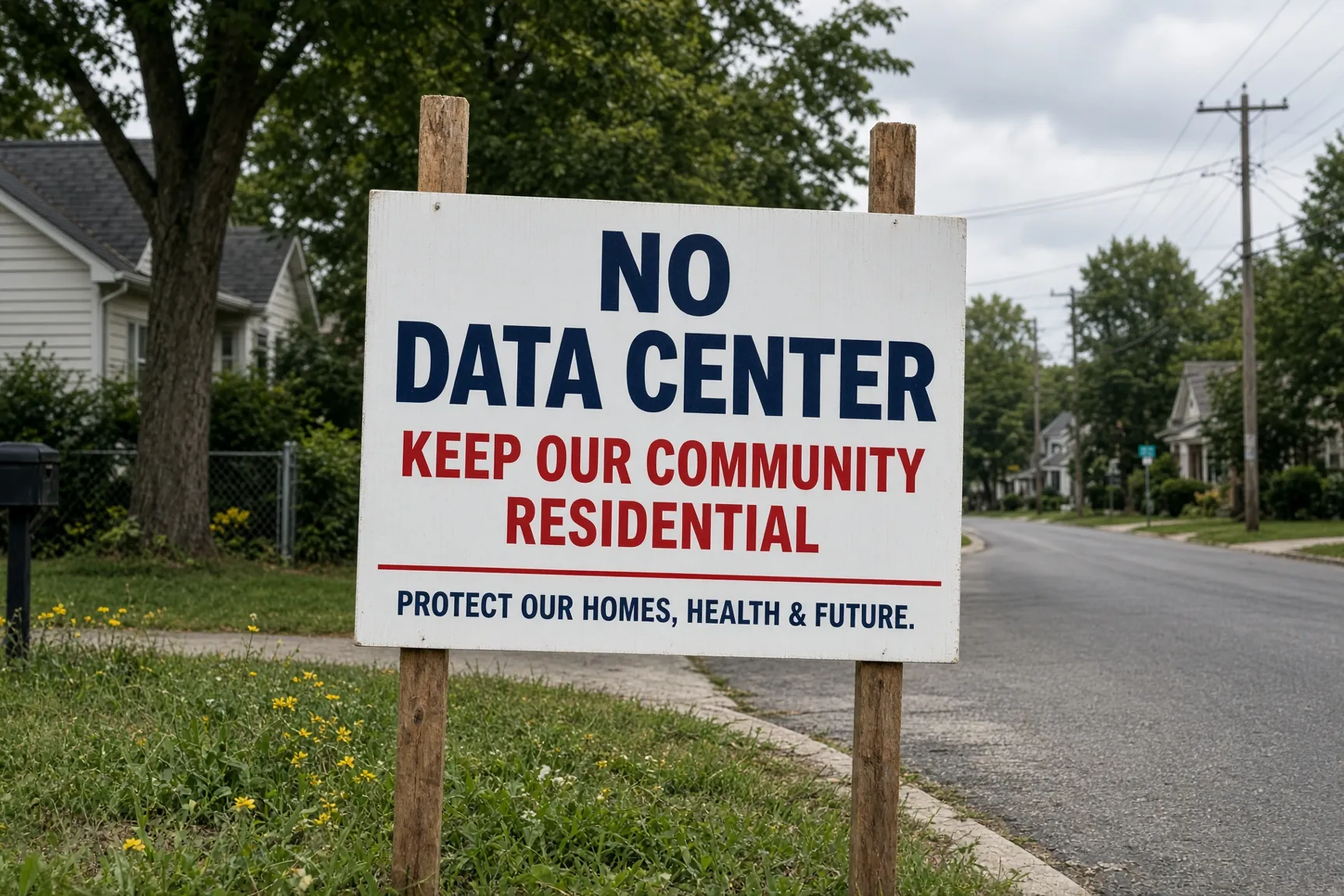
It is rare for Republicans and Democrats to agree on anything in 2026. But on one issue, they are united: they don’t want a data center next door. A March Gallup poll found that seven in ten Americans oppose an AI data center in their area, with majorities opposed among Democrats, Republicans and independents. In fact, Gallup found more opposition to a local data center than to a nuclear power plant.
The backlash has teeth. Local opposition disrupted about 120 projects in the first half of the year, and New York’s governor paused new hyperscale permits for a year.
It’s easy to dismiss this as NIMBYism. That would be a mistake. People are reacting to something real. In Manassas, Virginia, one longtime resident opened a January electricity bill for $281, up from about $100 the month before. A Bloomberg News analysis found wholesale power costs rose as much as 267% between 2020 and 2025 near heavy data center activity. When people see giant buildings drawing staggering amounts of power while their own bills spike, they connect the two, and they’re not wrong to ask who is paying.
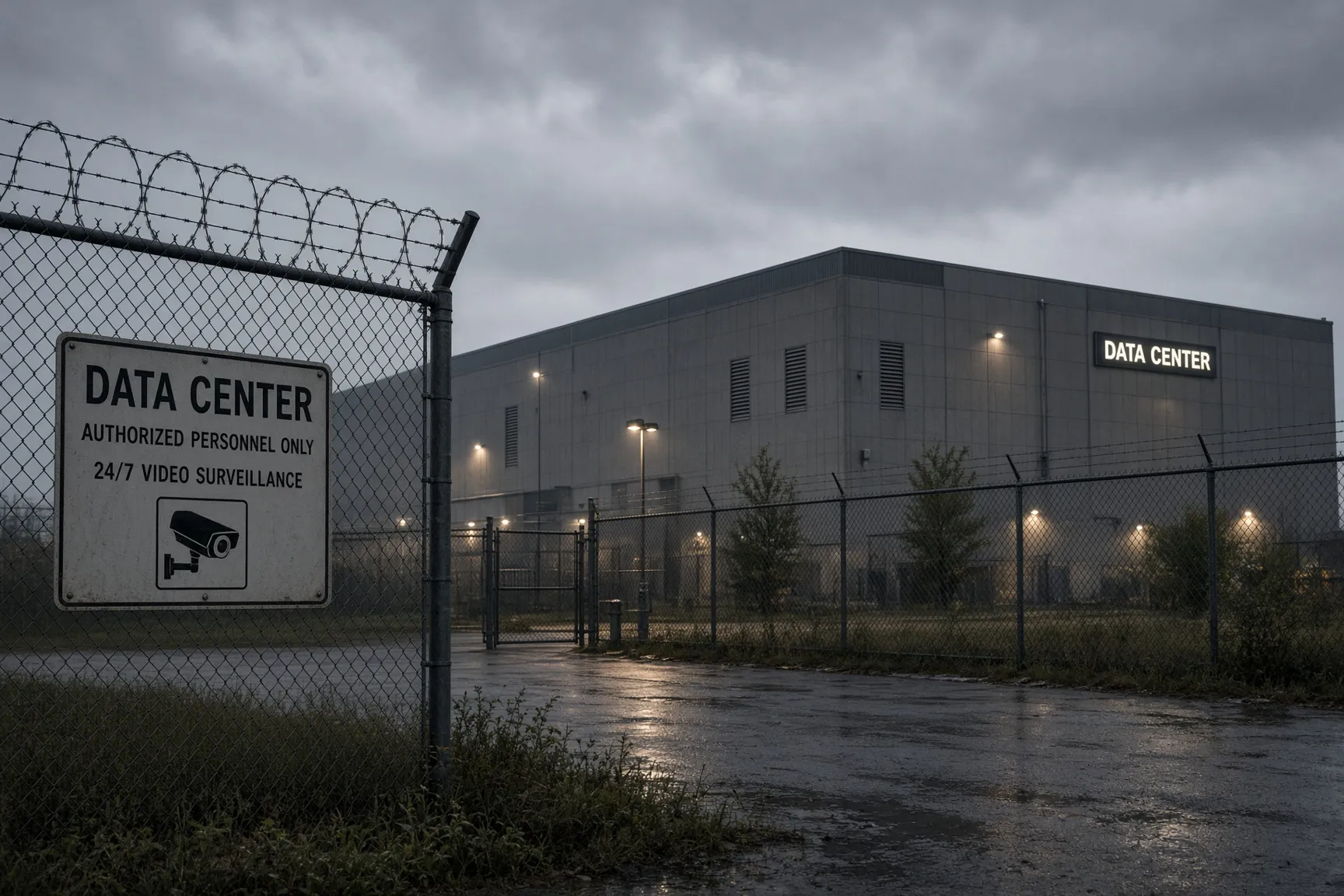
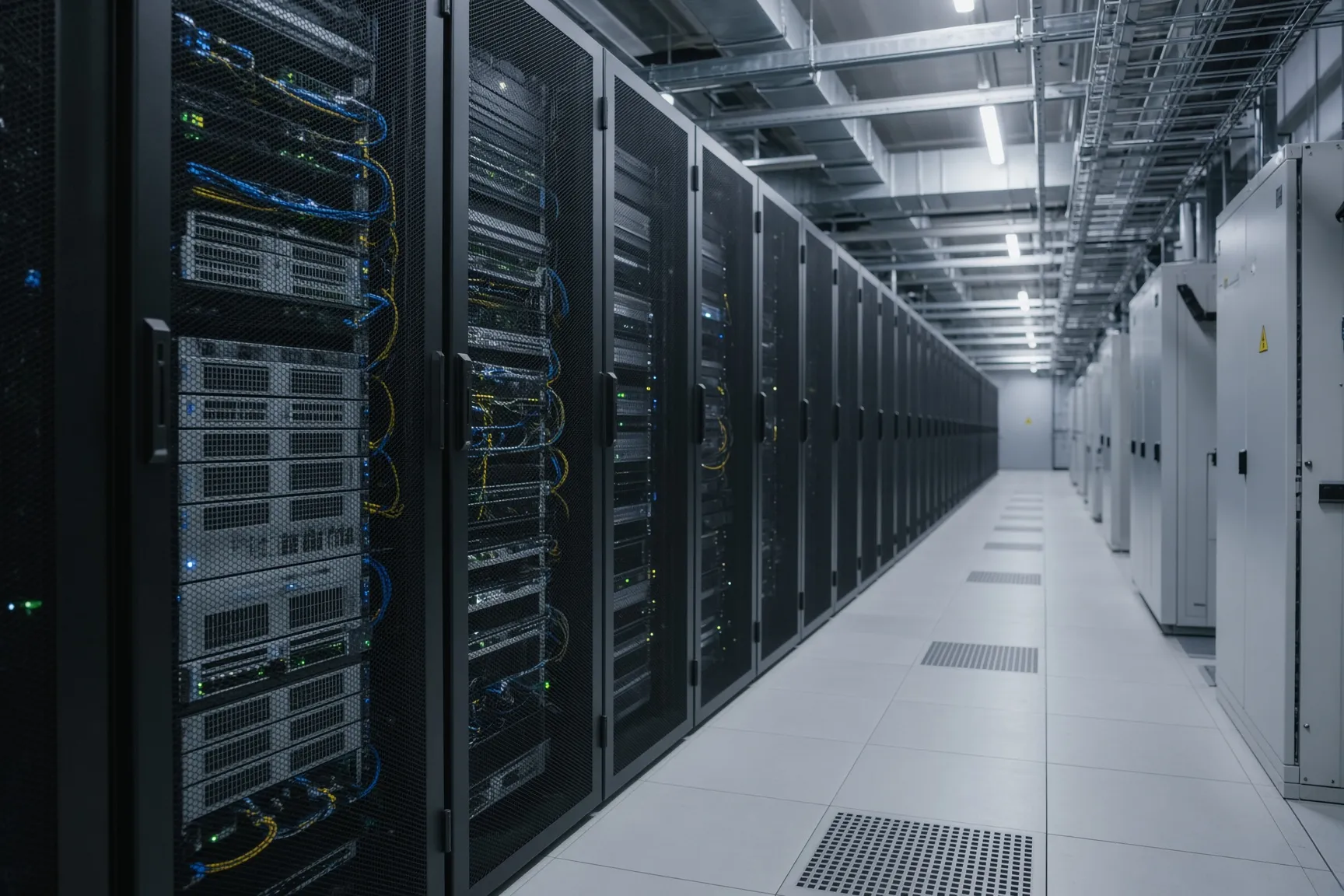
Yet the opposite instinct, shutting the door entirely, carries costs of its own. Data center IT load is projected to nearly double from about 80 gigawatts in 2025 to about 150 by 2028. That demand reflects the AI economy, cloud services and the computing that powers American jobs and national competitiveness. If the U.S. won’t build that capacity, it will be built elsewhere.
So, can Americans find middle ground? Yes, and the outlines are already visible. The bargain has four parts.
First, data centers pay their own way. This idea already has bipartisan roots. Republican Sen. Josh Hawley has proposed requiring data centers to use power separate from the wider grid, and Democratic Sen. Adam Schiff’s bill would require large data centers to pay for the grid upgrades they need. Big tech companies have already pledged to the White House to cover their costs, but that pledge has no enforcement behind it. Congress should turn it into law.
Second, clean power on site. Polling shows voters respond to this. When a data center was described as partly powered by on-site renewables, the share expecting higher electricity prices dropped from 73% to 46%. Delaware has already moved in this direction, requiring data centers to generate their own clean energy.
Third, build in the right places. Residents react differently when a data center replaces an abandoned industrial site instead of farmland. Old factory sites, closed power plants and brownfields already have grid connections and zoning, and turning them into data centers is revitalization, not sprawl.
Fourth, be honest about water and noise. In Botetourt County, Virginia, residents fighting a planned Google facility cite water as their top concern, not electricity. Companies should publish water use, commit to closed-loop cooling, and sign binding agreements with communities. Transparency costs little and builds a lot of trust.
A deal like this asks something of both sides. The industry has to accept that its growth comes with obligations and real enforcement. Opponents have to accept that a well-sited, self-powered data center that pays its own bills is not a threat to their community, and may help fund its schools.
The AI boom doesn’t need the public’s blind faith. It needs the public’s trust. Data centers can earn it by proving, project by project, that the neighbors won’t be left with the bill.
Other Views
The middle-ground approach has critics on several sides.
The case for a full pause. For many environmental and consumer groups, better rules don’t solve the problem. The scale does. More than 230 groups, including Greenpeace and Friends of the Earth, signed a letter calling for a national pause on new AI data centers, citing higher utility bills and environmental damage. Their letter argues that the rapid and mostly unregulated growth of data centers is threatening Americans’ economic, climate and water security, and it links that to wider worries about lost jobs and economic concentration. In Congress, Sen. Bernie Sanders and Rep. Alexandria Ocasio-Cortez have introduced a bill that would halt new large AI data centers until lawmakers pass AI safety, worker protection and environmental standards. In this view, “pay your own way” deals still lock in huge energy and water demand, and a pause is the only way to set rules before the buildout outruns them.
The case for building faster. The industry and business groups argue the opposite: that the bigger risk is building too little. The Data Center Coalition warns that halting construction would put essential digital infrastructure at risk and hurt American competitiveness. A U.S. Chamber of Commerce report found a typical 50-megawatt data center supports 740 jobs a year statewide over its 20-year life, and it points to local tax revenue that funds schools and roads. The Chamber also cites a 2026 study finding no evidence that data centers have historically pushed their costs onto other electricity customers. In this view, new mandates and on-site power requirements add cost and delay, and could send investment overseas.
Who should make the rules. Even people who agree on goals disagree on who should act. Rep. Brett Guthrie has warned against giving Washington too much power, while still agreeing data centers should cover their own power costs. President Trump has said he plans an executive order to curb state laws that limit data center development, a move expected to face court challenges. Others argue the opposite: that communities and states, not Washington, should decide what gets built in their backyards.
Whether the local benefits are real. A fourth group questions the economics that sell these projects to towns. One advocate argues that developers often oversell benefits and that tax breaks shrink the actual revenue, since exemptions often cover the most valuable equipment. Research on local labor markets finds data centers do create jobs, but notes that some industry-funded studies overstate the job impact by as much as three times. And in Virginia alone, the state’s data center sales-tax exemption cost about $1.6 billion in fiscal 2025. Local officials are split, too. Aurora, Illinois, Mayor John Laesch says the data centers in his city pay generous taxes, but those benefits don’t outweigh the downsides. For these critics, the middle ground should start with ending subsidies, not just covering power bills.
The Open Question
Underneath every side is a debate over evidence. Much of the price data reflects modeled wholesale prices, not retail bills, so the clearest question may not be what has happened so far, but who will pay for the next wave of grid expansion. How that question is answered will likely decide whether a middle ground is possible at all.