
The Torch Has Passed: What Tuesday's Blue Wave Says About a Country Done Waiting
Results are based on network and AP projections as of Wednesday morning, November 4. Some House races remain uncalled and final margins may shift.
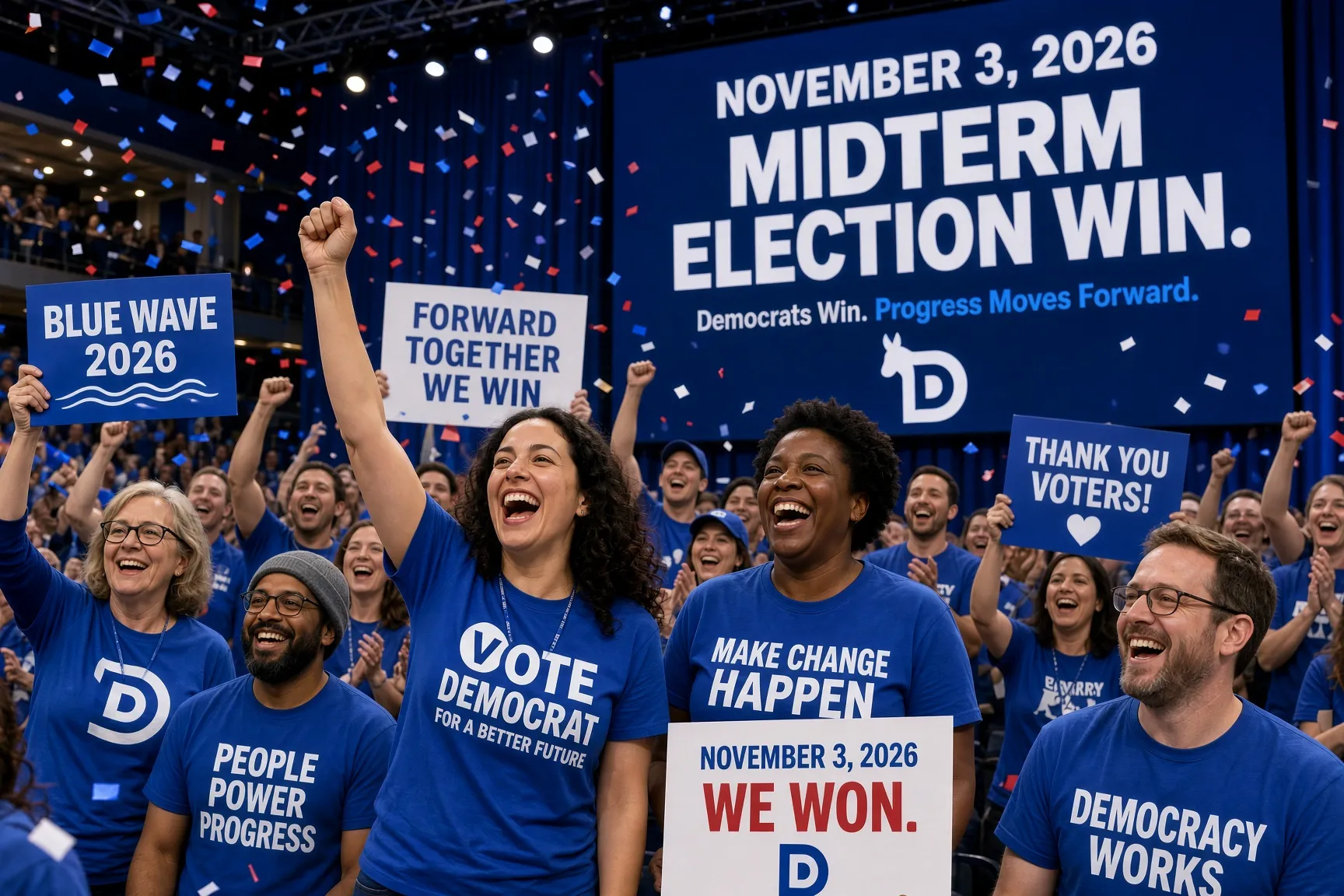
America spoke on Tuesday, and it did not whisper.
Democrats took control of both the House and the Senate in one of the most decisive midterm results in modern memory. Flipping both chambers in a single midterm has happened only a handful of times since World War II. It happened again last night, and it happened in places that were supposed to be out of reach.
A map that redrew itself
The Senate story alone reads like fiction from a year ago. James Talarico flipped Texas. Roy Cooper flipped North Carolina. Sherrod Brown is headed back to Washington from Ohio. Adam Hamilton flipped Kansas. Josh Turek took Iowa. In Maine, Troy Jackson unseated a senator who had held the seat for nearly three decades, and in South Carolina, Lindsey Graham conceded. Jon Ossoff held Georgia, Peggy Flanagan held Minnesota, and Abdul El-Sayed won Michigan to become the first Muslim ever elected to the United States Senate.
The House told the same story district by district. Republicans lost three of Iowa’s four seats. Democrats swept Pennsylvania’s contested districts, including Bob Harvie’s defeat of Brian Fitzpatrick in the 1st. Seats flipped in Wisconsin, Kentucky and New Jersey. Governors’ mansions changed hands too, including in Texas, where Gina Hinojosa will take office.
Republicans held on in some places, Florida among them, and they will argue, fairly, that midterms usually punish the party in the White House. But “usually” does not explain Kansas, South Carolina and Texas on the same night. This was not a swing. It was a statement.
What voters were rejecting
Exit polls put President Trump’s approval near 38 percent, on track to be the lowest for a president in any midterm on record. The President has insisted the results are not a rebuke. The ballots say otherwise.
But it would be a mistake to read Tuesday only as a verdict on one man. Underneath the anti-incumbent anger is something deeper and more durable: a generational break with the assumptions that have governed this country for forty years.
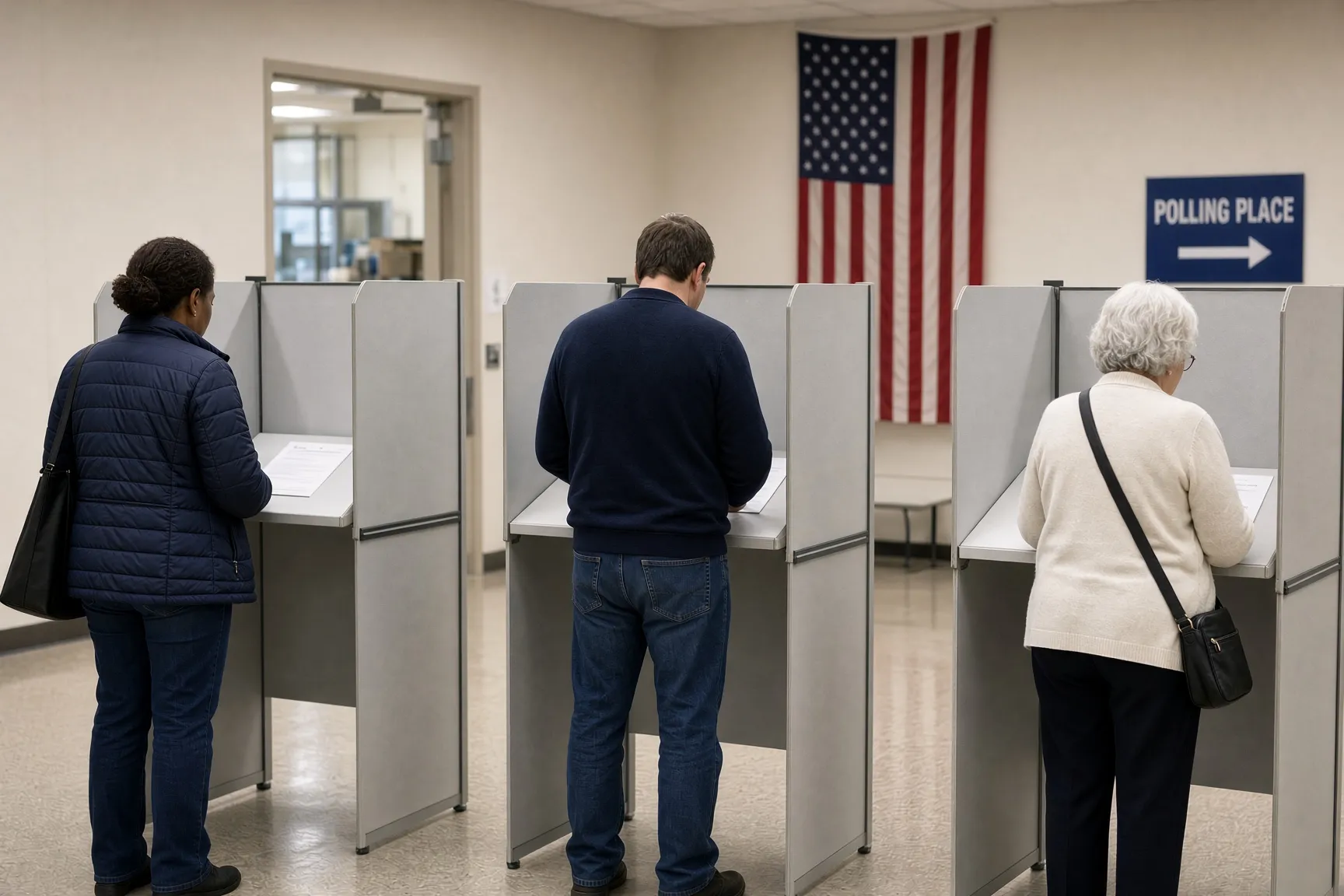
A generation that stopped waiting its turn
For most of the lives of Americans under 45, Washington has been run by leaders who came of age in the 1960s and 1970s, and it has been run on the economic story of that era. The story went like this: cut taxes at the top and prosperity will trickle down. Treat housing as an investment, not a home. Put off climate costs for later. Assume a college degree pays for itself. Treat health care as a privilege of employment. Wait your turn.
That story worked for many of the people who wrote it. It has not worked for the people who inherited it.
Millennials and Gen Z entered adulthood through the 2008 crash, a pandemic, and a housing market that priced them out of the neighborhoods they grew up in. They carry student debt their parents never faced. They watched wages lag behind rent, groceries and insurance premiums year after year. They have been told, again and again, that the system would reward patience. Tuesday was the day they stopped being patient.
Gen Z and millennials now make up roughly half of eligible voters, and pre-election polling showed voters under 30 leaning Democratic by twenty to thirty points, a sharp reversal from 2024. Detailed youth turnout figures are still being compiled, but the candidates who won the hardest races were not running on nostalgia. They ran on the cost of living, on housing, on health care and on getting big money out of politics, the same issues young voters have named as their top concerns all year.
Their time is up
This is not a war on grandparents. Millions of older Americans voted for change on Tuesday too, many of them for the sake of their children and grandchildren. The problem was never a birth year. It was a governing philosophy that treated the future as someone else’s bill.
That philosophy’s time is up. The era of politicians who govern for the next quarter and campaign on the last century is ending. Voters made clear they want leaders who will build housing instead of protecting the scarcity that inflates it, who will treat climate as an economic plan rather than a distant problem, and who see a living wage and affordable care as the floor of American life, not a reward for the lucky.

The burden now shifts
Winning is the easy part. Democrats now hold the gavel in both chambers, and the voters who handed it to them will be watching. A generation that has been let down before will not settle for speeches. It will want results: bills on housing supply, health costs, and wages, passed and signed or forced onto the President’s desk.
If the new majority treats Tuesday as a mandate to manage decline politely, the same voters who delivered this wave will deliver the next one against them. The message from the ballot box was simple. The future is not something to be postponed anymore. It has arrived, and it votes.