It's Time to Go, Mr. President
Richard Nixon knew when the country had spoken. Donald Trump should, too.
On the night of August 8, 1974, Richard Nixon sat before the cameras in the Oval Office and did something no American president had ever done: he quit. He did not resign because he had suddenly found humility. He resigned because, the day before, a delegation of his own party’s leaders, led by Senator Barry Goldwater, came to the White House and told him the truth he had spent two years refusing to hear. The votes were gone. The House would impeach him, the Senate would convict him, and the only question left was whether he would leave with a shred of dignity or be dragged from office.
Fifty-two years later, Donald Trump has reached his Goldwater moment. The only difference is that this time the message was not delivered by a handful of senators in a private meeting. It was delivered by the American people, at the ballot box, on Tuesday night.
The verdict is in
Midterm elections are always a referendum on the president, and this one was not close. Democrats flipped both the House and the Senate. They won battleground districts in North Carolina, Pennsylvania, Michigan, Ohio, Kentucky and Colorado. They won statewide in Texas and Georgia. Republicans in several states redrew their maps to protect themselves, and it did not matter. The president’s approval rating in the exit polls stood at 38 percent, the lowest for any president in a midterm in modern memory.
This was not a partisan wave alone. It was a rejection that crossed party lines. More than one in five people who voted for Trump in 2024 now say he should be impeached. Even his own vice president has blamed the Iran war for what he called a disaster for the party. When a president loses the independents, the suburbs, a meaningful share of his own voters and the confidence of his own lieutenants, he has not merely lost an election. He has lost the country.
Netanyahu first, America last
At the heart of this rejection is a foreign policy that Americans never asked for and do not want. The president campaigned on “America First.” At nearly every turn, he has governed as though Benjamin Netanyahu’s government came first.
He took the country into a war with Iran alongside Israel that nearly two-thirds of Americans told pollsters was a mistake. When Congress stood in the way, he went around it. In January, his administration skipped the usual congressional review to push more than $6.5 billion in weapons to Israel. In March, it declared the Iran war a formal emergency to rush more than 20,000 bombs to Israel without congressional sign-off. In May, it did it again with $8.6 billion in emergency sales to Israel and Gulf partners, even as critics warned that munitions take years to replace and that our own forces would be left with less.
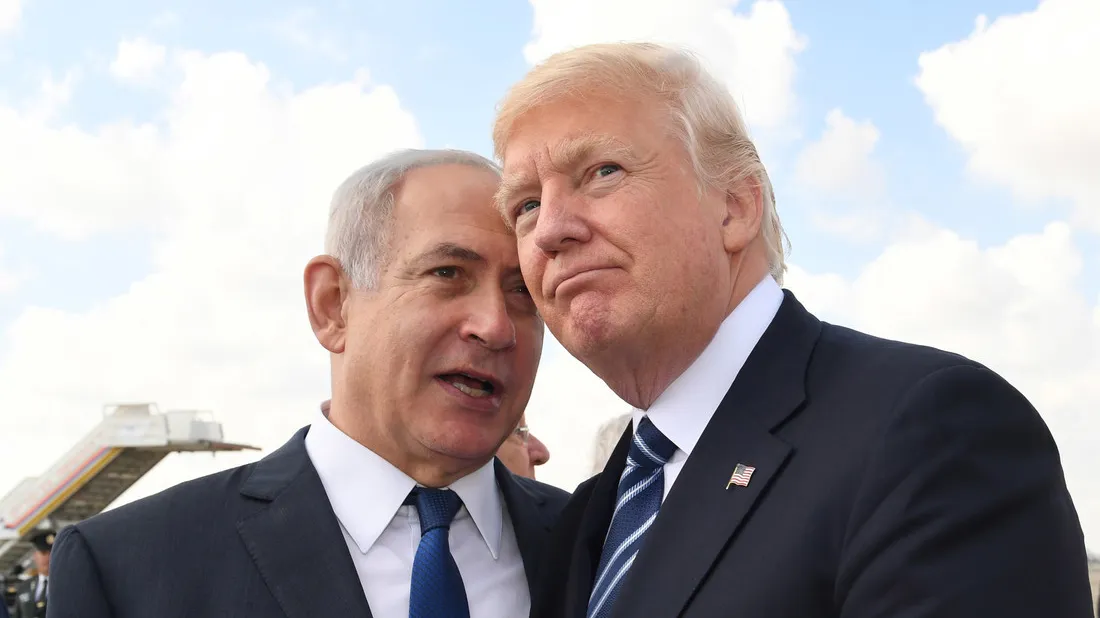
The pattern held right up to Election Day. Days before Americans went to the polls, U.S. strikes on Iran resumed after Netanyahu reportedly pressed for more, and the administration disclosed $4 billion more in aid to Israel while American families struggled to fill their gas tanks and pay their grocery bills. The money for another government’s war was always there. The relief for Americans never came.
And on Election Day itself, the president mused on national television that he enjoys near-unanimous approval in Israel and that, if Americans ever grew tired of him, he could simply move there and become its prime minister. A president who openly fantasizes about leading another country has told us exactly where his loyalties lie.
Standing with an ally is not the problem. Americans of both parties have long supported Israel’s security. The problem is a president who has repeatedly put a foreign leader’s war aims ahead of American lives, American taxpayers and the American Constitution. Polls now show a record share of voters saying the United States gives Israel too much support. Americans heard the president. They are tired. And they will not stand by while their sons and daughters are sent to fight open-ended wars on behalf of another nation’s government.
The economy cannot absorb more of this
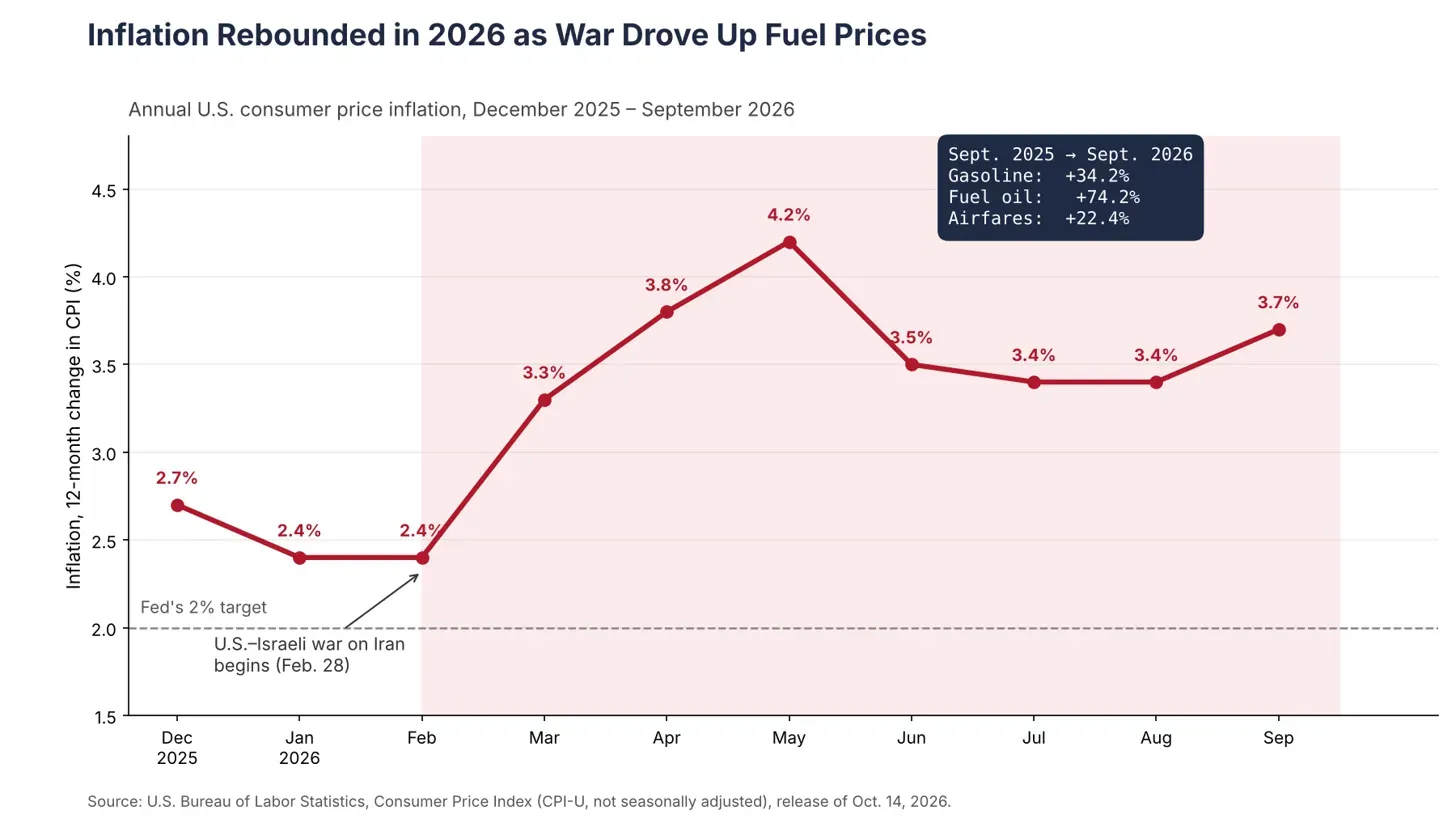
Nine in ten voters said the cost of living weighed heavily on their vote. That is not an abstraction. It is the price of gasoline after a war that spiked energy markets. It is the price of groceries after tariff after tariff. It is rent, insurance and car payments that keep rising while paychecks do not. A president’s first job is to make life in America workable for the people who live here. By the verdict of the voters, this president has failed at that job. The world economy is too interconnected, and too fragile, to survive two more years of reckless shocks from the Oval Office.
He is not even hiding it
Richard Nixon looked the country in the eye and insisted he was not a crook. Donald Trump does not bother with the denial. He brags.
In September, the president posted an AI-generated image of himself day-trading from the Oval Office and boasted that he had made “Hundreds of Billions of Dollars on Stocks” — for the country, he claimed, not for himself. His own financial disclosure tells a different story: at least $2.2 billion in personal income in 2025, much of it from cryptocurrency ventures that exist only because he holds the most powerful office on earth. Reporting by The New Yorker has put the family’s take from this presidency at close to $4 billion, counting crypto, a Mar-a-Lago windfall and foreign real estate deals run by his sons. Qatar handed him a $400 million jet after his company landed a resort deal in Doha. And this summer the president openly acknowledged that his children had access to inside information while trading stocks affected by his decisions, even as he denied any wrongdoing.

This is not the quiet, back-room corruption of the Watergate era. It is corruption conducted in broad daylight, announced on social media and dared to be stopped.
Wall Street as a personal ATM
The pattern is impossible to ignore. In April 2025, the president urged Americans on social media that it was a great time to buy, hours before he paused his harshest tariffs and sent the Dow soaring nearly 3,000 points. His later disclosure showed he had bought roughly $12.8 million in stocks the day before that pause. In the first three months of 2026 alone, his brokerage account logged more than 3,600 trades, about 60 a day.
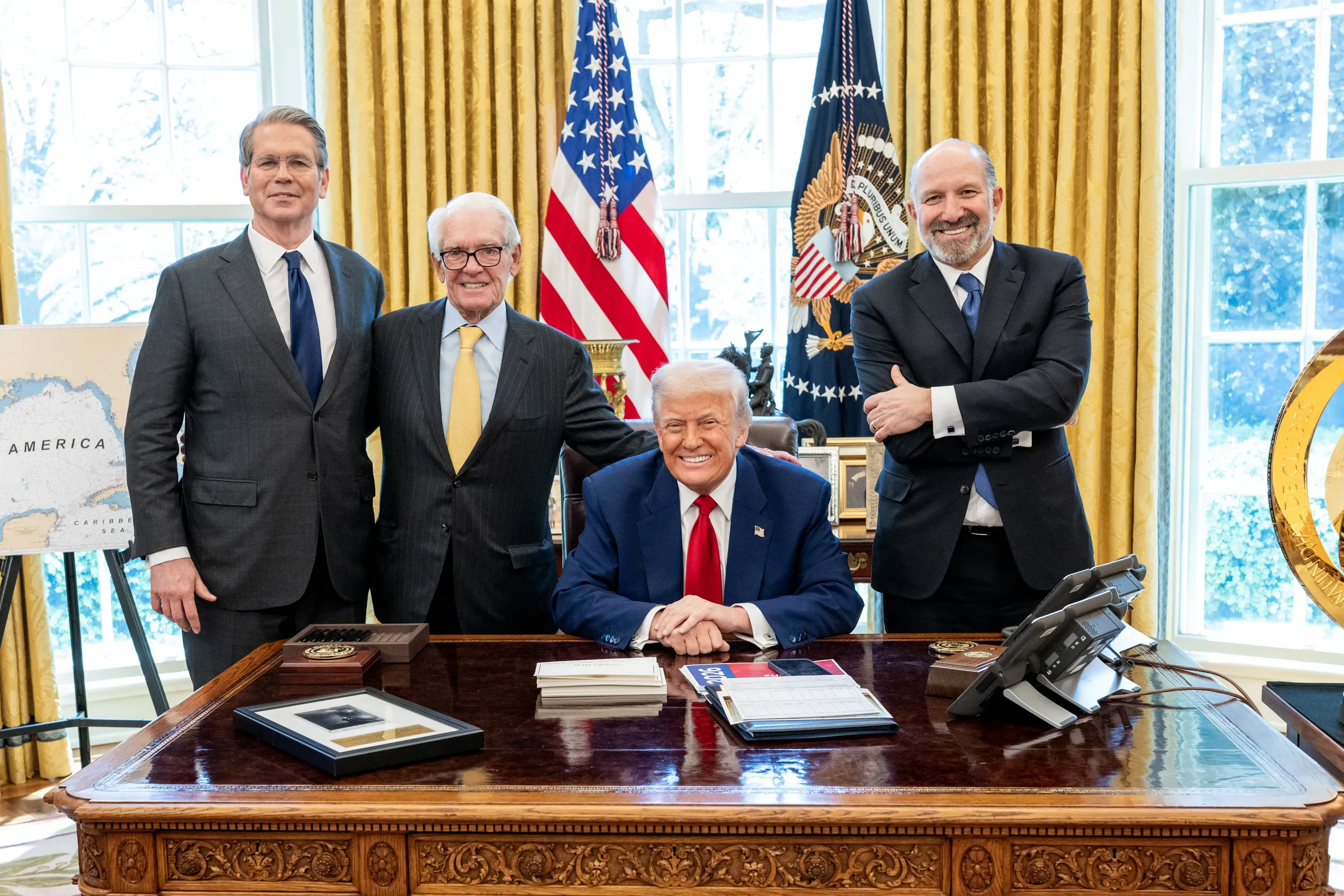
Then came the war. As bombs fell on Iran, the president’s account was buying oil and defense stocks that stood to profit from it. Traders placed suspiciously well-timed bets on oil futures and prediction markets minutes before his posts about the war winding down. One announcement that he was postponing strikes swung the S&P 500 by $3 trillion in under an hour, built on talks Iranian officials said never happened. Even voices on the far right called it obvious manipulation. The White House teleprompter operator was fired and fined by federal regulators for profiting from non-public information. A Securities and Exchange Commission official reportedly resigned after being blocked from pursuing companies tied to the president.
The White House insists his accounts are managed independently. Americans are entitled to ask why those independent managers keep guessing right — and why ordinary investors, retirees and pension funds keep paying the price every time the president’s words whipsaw the markets.
The Epstein shadow
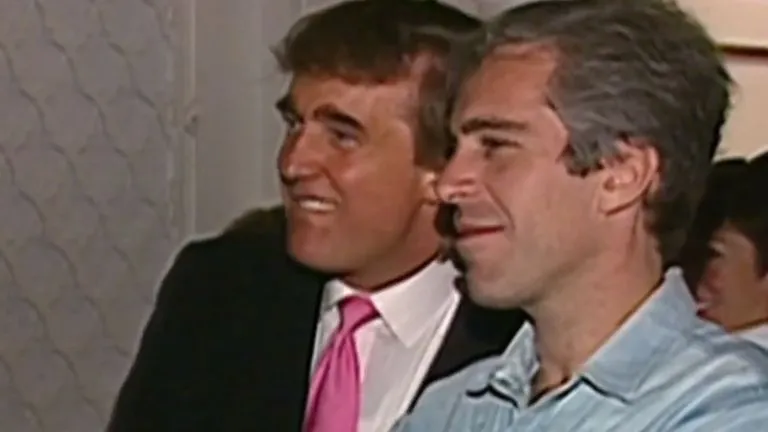
Some things should disqualify a person from public trust on their own. A long, documented friendship with Jeffrey Epstein, a convicted sex offender who trafficked children, is one of them. Trump socialized with Epstein for years, and the files the Justice Department was finally forced to release have kept his name in the headlines ever since, including FBI interview notes in which a woman accused both men of assaulting her as a teenager. The president denies any wrongdoing, and the Justice Department has said some claims in the files are false. But Americans are not required to give the benefit of the doubt to a man who fought this hard to keep the record hidden.
And fight he did. Trump campaigned on releasing the Epstein files. Once in office, his administration reversed course and declared there was nothing more to see. Congress had to pass a law to force the documents out. Even then, NPR found that pages involving allegations against the president had been withheld or removed, and CBS News has since reported gaps of tens of thousands of pages. Just days ago, a federal judge threw out the president’s lawsuit against The Wall Street Journal over its reporting on his birthday letter to Epstein.
He played his own supporters
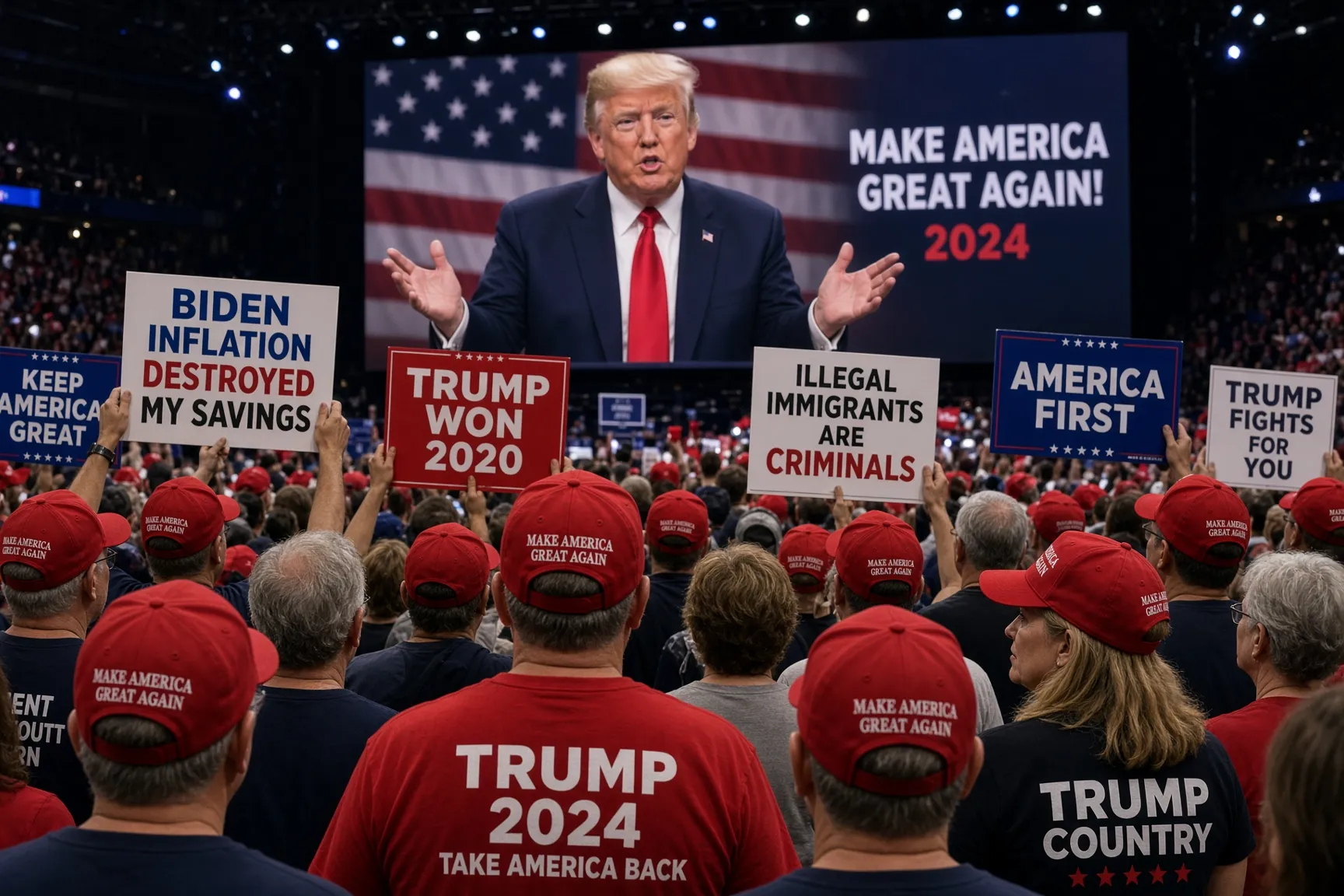
No one was betrayed more by the Epstein reversal than the people who believed in Trump most. For years, his allies told the MAGA faithful that the files would expose a corrupt elite. When the moment came, the president told them to stop wasting their time, called the files a Democratic hoax, branded supporters who kept asking “weaklings” and said he no longer wanted their support.
That is the pattern of this presidency. Tell loyal supporters one thing, do another and insist they did not see what they saw. He promised to end foreign wars and started a new one. He promised lower prices and delivered higher ones. He promised transparency and delivered a cover-up. He took the trust of working Americans for granted because he assumed they would never stop giving it. On Tuesday, millions of them did.
He promised to drain the swamp. He filled it with family.
Trump ran as the outsider who would clean up Washington. Instead, he has handed the nation’s most sensitive diplomacy to his son-in-law and his longtime real estate friend, both of whom keep billions in business ties to the very governments they negotiate with.
Jared Kushner, the president’s son-in-law and now a special envoy, runs a private equity firm, Affinity Partners, built on Gulf money, and lawmakers have demanded answers about his raising billions for it while helping lead talks with those same governments. A CNN investigation found his fund holds the largest stake in an Israeli financial institution that backs arms makers involved in the bombardment of Gaza, even as he sits on Trump’s Gaza “Board of Peace.” Steve Witkoff, the president’s envoy, co-founded the Trump family’s crypto firm, World Liberty Financial, with his sons. An Abu Dhabi royal who poured $2 billion into that firm is also a major backer of Kushner’s fund.
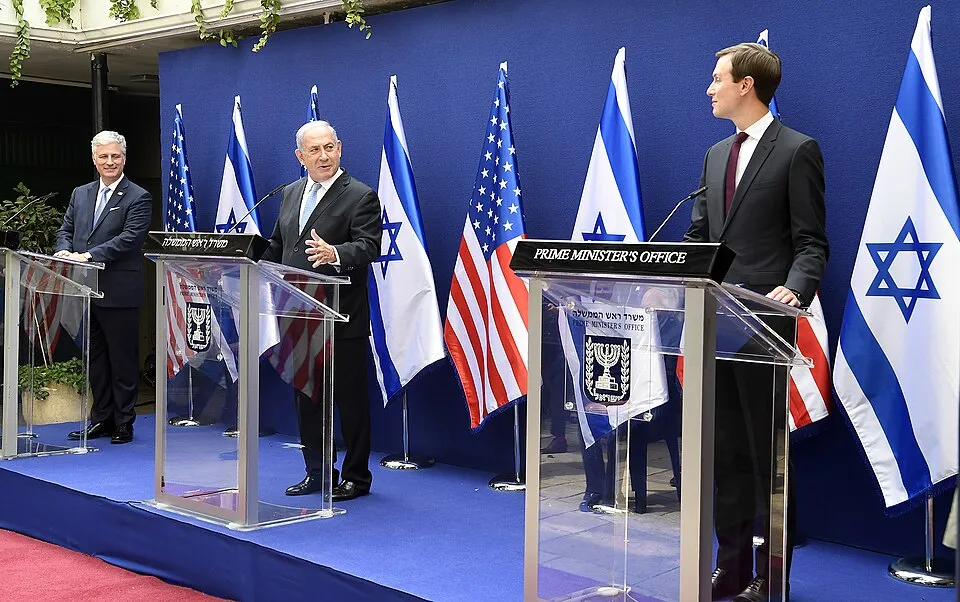
This fall, The New York Times reported that Kushner and Witkoff, while negotiating an end to the war in Ukraine, were also discussing a multibillion-dollar deal to sell sanctioned Russian oil assets to investors with ties to the Trump family and its business partners. The Kremlin rushed to defend them. Asked about conflicts of interest, Kushner has said that what others call conflicts, he and Witkoff call experience.
That is not draining the swamp. That is building a private resort in it and selling memberships to foreign governments.
The Constitution is not a suggestion
The framers gave Congress, not the president, the power to take the nation to war. This administration has treated that clause as an inconvenience, launching and widening hostilities while the Pentagon withholds information from the public and from lawmakers. Senators have already moved to reclaim their war powers. Members of the House Armed Services Committee who once resisted impeachment now call the president dangerous and say they will pursue it.
When Congress convenes on January 3, it will have the majority needed to impeach. Investigations into corruption, into the conduct of the war and into the administration’s contempt for congressional oversight will begin in earnest. Removal still requires 67 senators, and that bar is high. But Nixon faced a high bar, too, and he understood something Trump has never accepted: the bar does not stay high once the public has turned and the evidence starts coming out under oath.
Rights trampled at home
The Constitution’s protections are not reserved for the people a president likes. Yet under this administration, immigration agents have detained more than 500 U.S. citizens since January 2025, according to ProPublica’s count, some handcuffed or held at gunpoint. A whistleblower memo revealed that agents were forcing their way into homes without a judge’s warrant, in direct defiance of the Fourth Amendment. Federal judges have ruled roving immigration patrols illegal, and appeals courts have repeatedly struck down the administration’s policy of locking people up without bond hearings. Civil rights lawyers are now in court because the government stopped telling families and attorneys where detainees are being held.
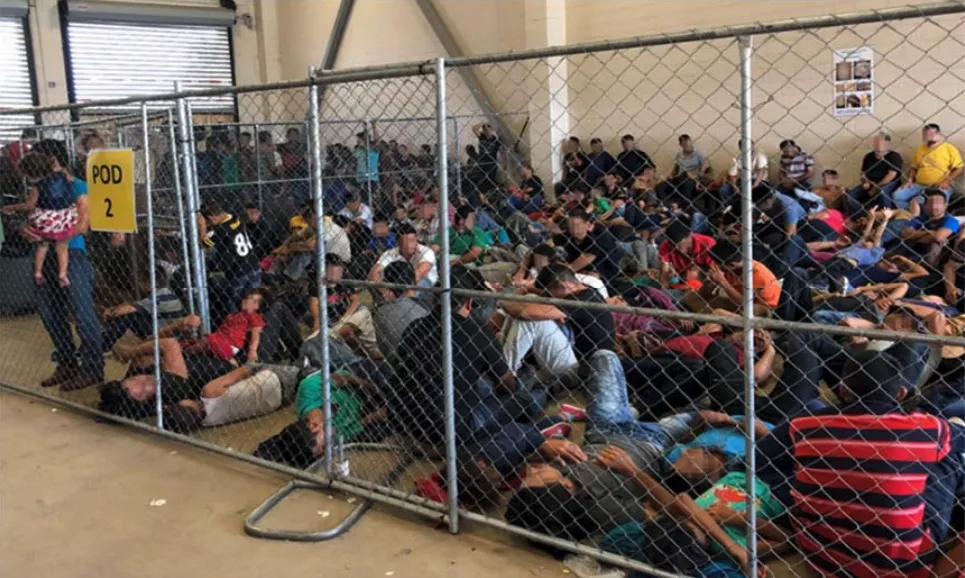
People are dying in this system. Fifty-two people died in ICE custody in the first 500 days of this term, and the death rate has more than doubled, reaching its highest level in over a decade. Amnesty International has documented a pattern of abuse it calls systemic, not isolated. A government that disappears people into detention, ignores court orders and treats citizens as suspects is not enforcing the law. It is breaking it.
He has put Americans in harm’s way, then hid the cost
The most sacred duty of a commander in chief is to keep Americans safe. This president has done the opposite. He launched a war of choice alongside Netanyahu’s government that has cost American lives and left hundreds of service members wounded. When the first troops died, he shrugged that casualties often happen in war. Days before this election, the strikes resumed.
Worse, his administration has not told the truth about what this war has cost. In September, The Washington Post reported that officials with access to the Pentagon’s internal records counted at least 22 American service members dead, while the public tally listed 18. In July, the Pentagon’s official casualty database quietly dropped four recent deaths and dozens of wounded, cutting the death toll from 18 to 14 and blaming “data disruptions.” One of the fallen, a New York soldier, simply vanished from the list. When the administration declared the war over in May and then resumed nearly daily strikes, it relabeled new combat deaths as “overseas operations,” a sleight of hand that a Republican congressman, Thomas Massie, called an absurd ruse to dodge the War Powers Resolution. Another service member who died in March was left off the official count for six months.

The pattern extends to the damage on the ground. A U.S. official told The Intercept that Iranian missile and drone barrages had left American bases across the region significantly damaged and wounded far more troops than the Pentagon admitted. The official wounded count has dropped without explanation. When reporters exposed the gaps, the defense secretary did not correct the record. He called the reporting disgusting and fake.
Military families deserve to know when their sons and daughters are killed or wounded, and the American people deserve to know what a war is truly costing them. Lawmakers from both parties are now demanding a full accounting, and legislation has been introduced to stop the manipulation of casualty data. An administration that hides its own dead from the nation it sent them to defend has lost any claim to the public’s trust.

Every new escalation puts American troops, diplomats and travelers in the crosshairs, and invites retaliation that could reach our own shores. At home, Americans of every background now have reason to fear a knock at the door from federal agents who answer to no warrant. A president who endangers his own citizens abroad, conceals the price they pay and terrorizes them at home has forfeited the trust that the office requires.
Leave now, on your own terms
There is also the matter of what comes after. A sitting president enjoys protections that a private citizen does not. The longer this presidency drags on through impeachment hearings, subpoenas and sworn testimony, the larger the record grows, and the greater the legal jeopardy waiting on the other side of January 2029. Nixon resigned in part because he understood that fighting to the end would only deepen the damage, to the country and to himself.
The choice before Donald Trump is the same one Nixon faced. He can put the country through a long, bitter impeachment, a Senate trial and whatever legal reckoning follows, all while the nation’s wars, its economy and its institutions hang in the balance. Or he can do what Nixon did and step aside, letting the country turn the page.
Nixon said in his farewell that he had never been a quitter, but that he had to put the interests of America first. For once, Mr. President, take your own slogan at its word. Put America first. Resign.