
One Nation, One Allegiance: It's Time to End Dual Citizenship
Dual citizenship lets Americans swear loyalty to this country while voting in, answering to, and escaping to another. Congress should end it and require every citizen to choose one nation: America.
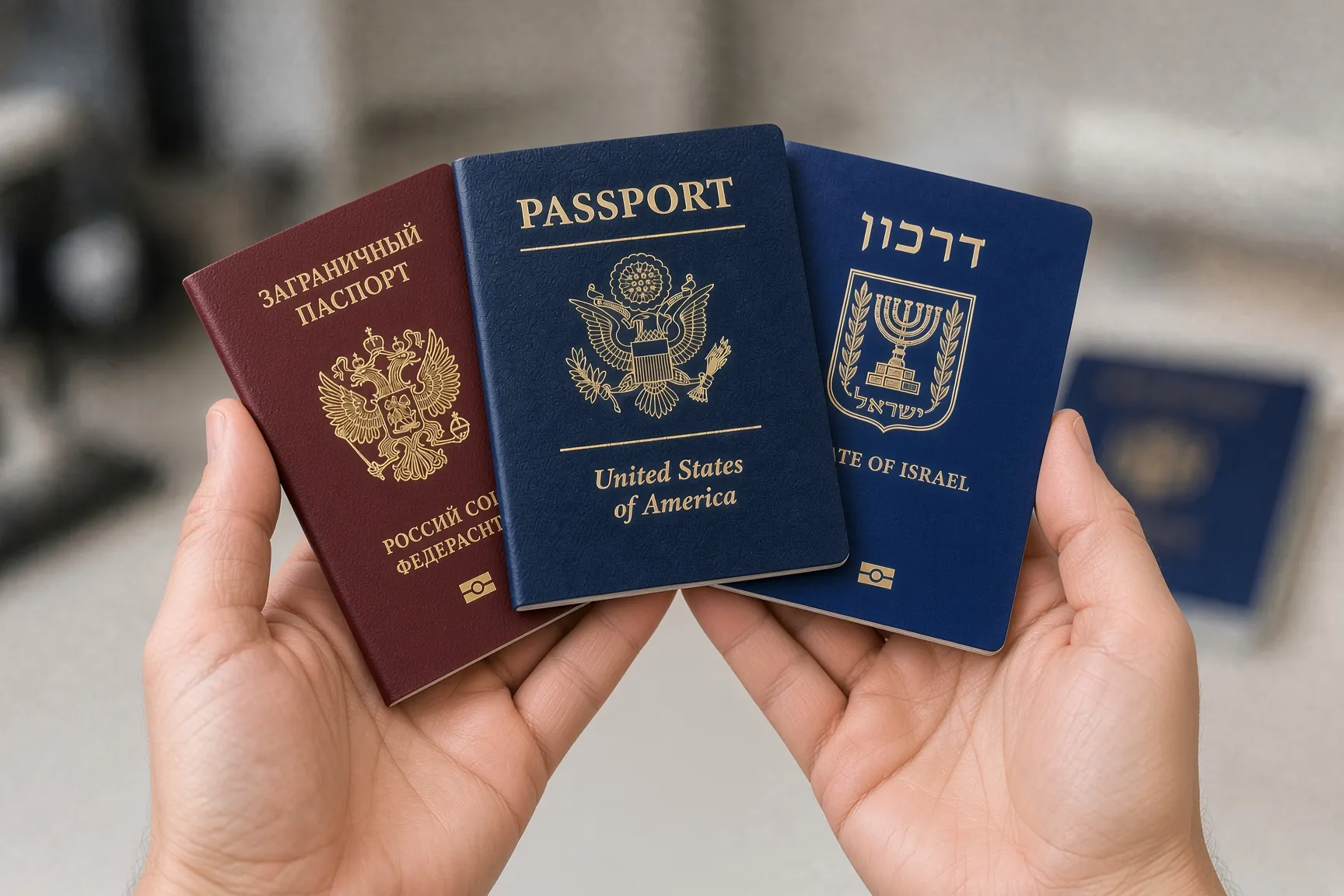
Every immigrant who becomes an American raises a hand and swears to “absolutely and entirely renounce and abjure all allegiance and fidelity” to any foreign state. Then, for millions, nothing changes. They keep the other passport, vote in the other country’s elections and, in some cases, serve the other country’s interests. An oath that costs nothing means nothing. In an age of great-power rivalry and foreign influence campaigns, America can no longer afford citizens with one foot out the door.
Divided allegiance is a security risk
The State Department itself acknowledges that dual citizens owe allegiance to both countries and must obey the laws of each. That is the problem in a sentence. A second citizenship is not a souvenir. It comes with legal duties — sometimes military service, sometimes loyalty demands — that a foreign government can invoke at will.
The U.S. security clearance system already treats a foreign passport as a red flag, because a second allegiance creates leverage: family abroad, property abroad, and a government abroad that considers the person its own. Hostile states work hard to cultivate their diasporas, and some claim their nationals for life no matter what passport they carry. Yet the United States does not even track which of its citizens hold another nationality. We are guarding the front door while leaving the side door unlocked and unmonitored.
A second passport is an escape hatch
Dual citizenship also offers something no ordinary American has: a guaranteed refuge from American justice. Many countries refuse to extradite their own nationals, and the Justice Department has formally warned prosecutors that defendants with foreign citizenship may flee, sometimes with help from foreign governments.
The consequences are real. In the 1990s, a Maryland teenager, named Samuel Sheinbein, accused of murder fled to Israel and claimed citizenship to avoid trial here. A Justice Department legal analysis concluded France would not extradite a French citizen to the U.S., even one who also holds American citizenship. Investigators tracking white-collar fugitives note that dual nationality makes extradition far harder. A single-citizenship American who defrauds his neighbors must face a jury. A dual citizen can book a flight. Two classes of citizens, two standards of accountability — that is not equal justice.

Citizenship should be a commitment, not an option
Many Americans say they feel like guests in their own country, watching the rules of citizenship bend while their own obligations never do. Part of that frustration is about commitment. When citizenship becomes a convenience — a passport for travel, a market for earning, an exit when things go wrong — it stops being a shared stake in the nation’s future.
America has always welcomed newcomers who come to build a life here and throw in their lot with their neighbors. That is the bargain: you gain everything America offers, and in return you become fully American. A citizen with a fallback home has less reason to fight for this one — to fix its schools, serve on its juries, defend it in a crisis — when leaving is always an option. Exclusive citizenship asks nothing of immigrants that it doesn’t ask of every native-born American: one country, without reservation.
Voting for two countries from American soil
Dual citizenship also means living here while helping govern somewhere else. Most countries now let their citizens abroad vote; Mexico, for one, has allowed it since the early 2000s, and in 2024 opened in-person voting at consulates across the United States. Some go further and reserve seats in their legislatures for citizens living abroad. Italy elects deputies and a senator for North and Central America. France created a parliamentary district covering the U.S. and Canada and has sent a New York banker to its National Assembly. In 2021, Mexico City elected its first congressperson to represent Mexicans abroad.
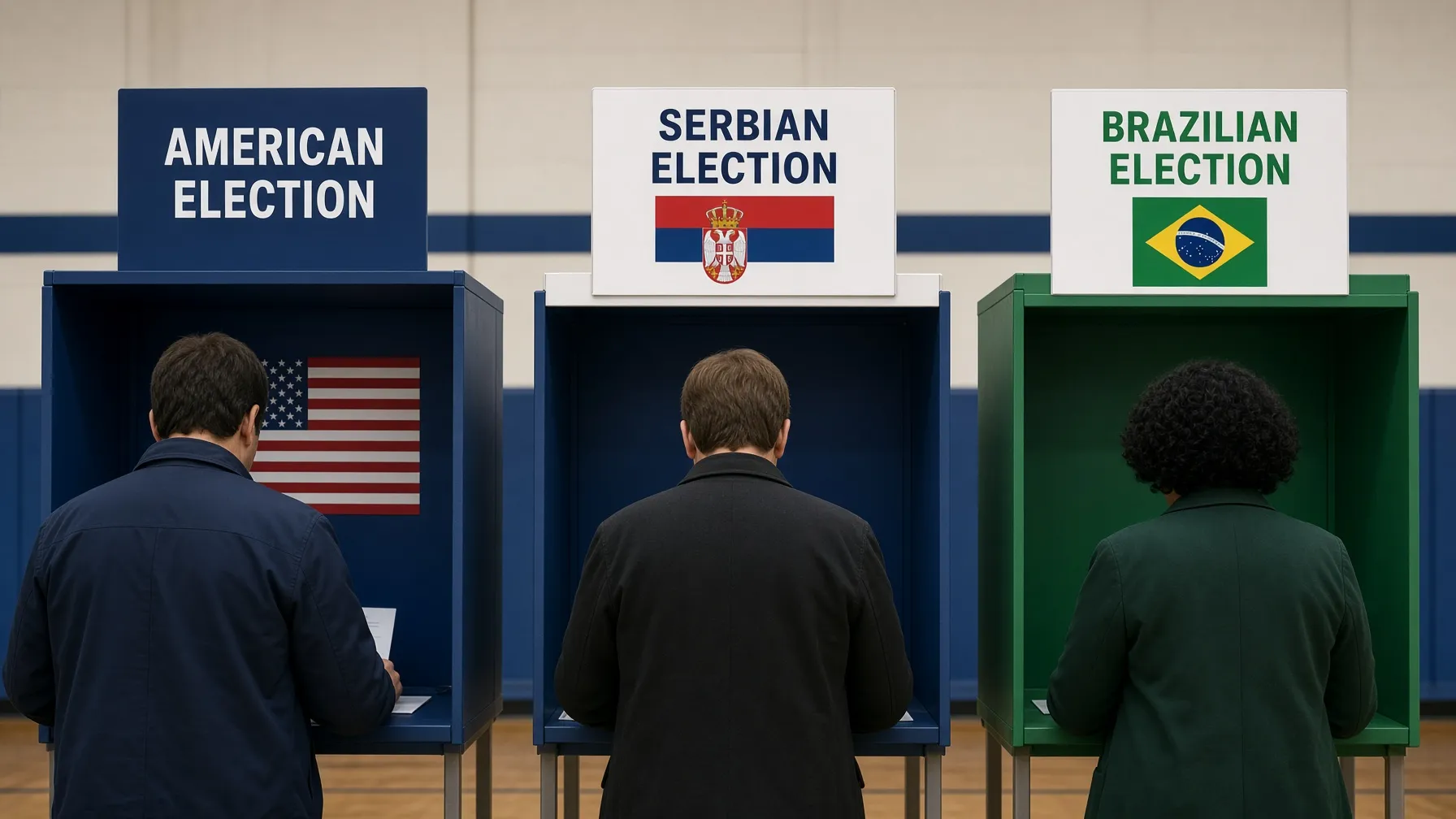
Look at what happened just yesterday. Serbia held snap parliamentary elections on October 25, and its diaspora mobilized as never before: more than 111,000 citizens abroad registered to vote, nearly three times the 2023 figure. Organized groups in Washington, D.C., New York, Chicago, Los Angeles and a dozen other American cities pressed Belgrade for more polling stations. Because Serbia set overseas voting to Belgrade time, polling at Serbia’s consulate in Chicago opened at 1 a.m. local time, and voters across the U.S. turned out at Serbian embassy and consular offices to choose another country’s government. That kind of commitment to a foreign nation’s politics, organized and exercised on American soil, is exactly the divided allegiance this country should not reward with full citizenship.
Think about what that means. Foreign parties campaign in American cities. Foreign consulates register voters here. People who live under American law, use American roads and schools, and enjoy American protection can help elect another nation’s president — and send lawmakers to a foreign parliament to represent them. Analysts note that a few hundred thousand votes cast from the U.S. could swing a close Mexican election. A citizen’s political loyalty should be focused on the country where they live and whose laws they ask everyone else to obey. Citizenship isn’t a buffet; you can’t take your seat at two governments’ tables.
The law already points the way
There is a bill ready to go. In December 2025, Sen. Bernie Moreno — himself a naturalized immigrant from Colombia — introduced the Exclusive Citizenship Act. It declares that American allegiance must be undivided. Current dual citizens would have one year to renounce either their foreign or their U.S. citizenship, and Americans who later take on a foreign citizenship would be deemed to have given up their U.S. citizenship. Moreno renounced his own Colombian citizenship.
The obstacle is a 5–4 Supreme Court decision, Afroyim v. Rusk (1967), which held that Congress cannot strip citizenship without a person’s consent. That ruling overturned long-standing practice and led the U.S. to abandon treaties that once discouraged dual nationality. But a law that lets each person choose which citizenship to keep honors consent rather than violating it. And if the Court disagrees, Congress should pursue a constitutional amendment, as scholars have urged for decades.
Choose America
No one is asking anyone to stop loving the land of their parents or their birth. People can honor their heritage, speak their language, and visit family abroad. What they should not do is hold the full rights of American citizenship while keeping a legal allegiance — and an escape route — elsewhere.
Congress should pass the Exclusive Citizenship Act and end dual nationality outright: every American must hold allegiance to one country, and one country only — renounce the foreign citizenship or give up the American one. That alone would close the extradition loophole that lets fugitives hide behind a second passport. Ask your senators where they stand. Citizenship is the most valuable thing this country can give. It should be given to those who choose America — only America.